An undercoat rake may suit some short-haired pets, but short hair alone does not answer the question. Coat depth, undercoat density, tooth fit, skin condition, and behavior matter more than visible length or shedding alone.
Quick Answer: Some short-haired dogs and cats have an undercoat, so short hair does not automatically rule out an undercoat rake. However, many smooth, sparse, or single coats are better suited to a bristle brush, rubber brush, or grooming mitt. A rake may be a poor fit when the teeth reach the skin too easily, collect little loose undercoat, or repeatedly catch attached hair. The current Docrok listing targets medium- and long-haired and double-coated pets, so short-coat suitability should be assessed individually rather than promised.
Hair length tells you how long the coat is. Undercoat density and tool fit tell you whether a rake may have a useful job to do.
Short Hair and Undercoat Are Different
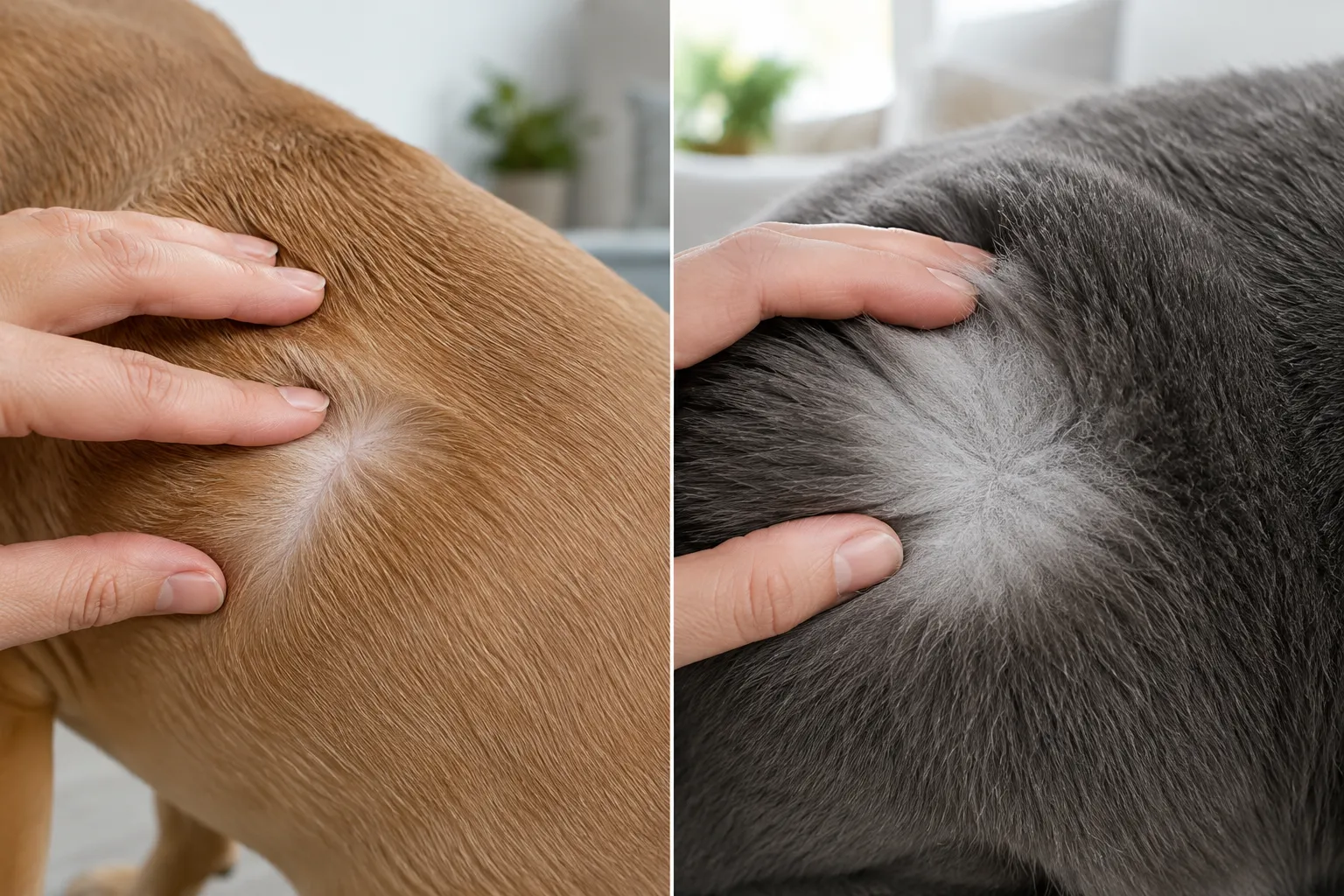
A short-haired pet may have a smooth or sparse coat, a dense short double coat, a plush coat, or a specialized wire coat.
Short double coats can release loose undercoat, while many smooth short-haired dogs lack a clearly defined undercoat and cat undercoat density varies. Similar-looking short coats may therefore need different tools.
Short-Haired Dogs
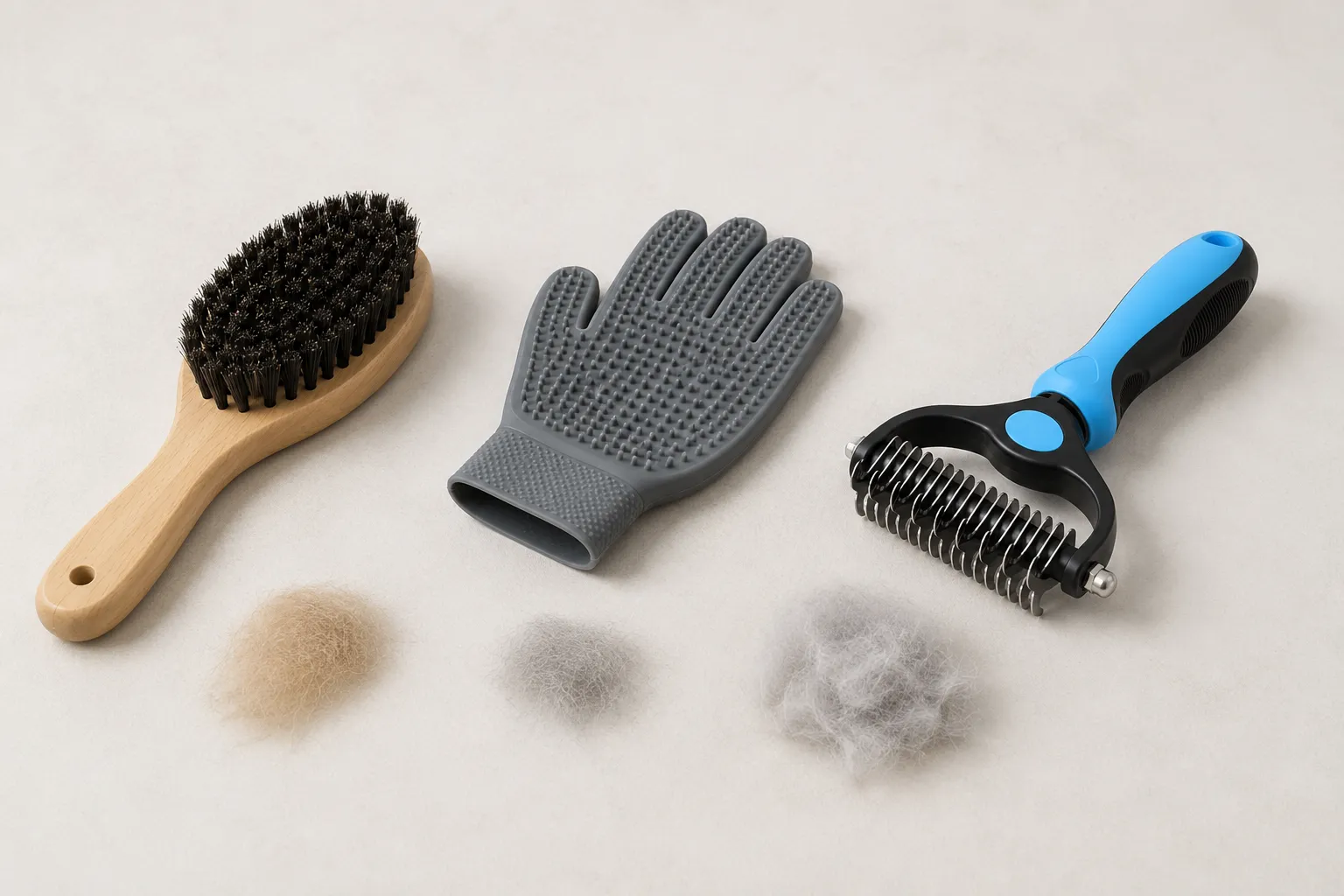
For many smooth short-haired dogs, bristle brushes, rubber brushes, and grooming gloves are common first choices because they work mainly at the surface.
A dense short double coat may contain loose undercoat, but the rake’s tooth depth still must match the coat. Heavy shedding alone does not prove that a rake is needed.
Short-Haired Cats
Some short-haired cats have a fine undercoat, while others have little downy undercoat. A general metal rake should not be the default tool.
For many smooth or sparse cat coats, a bristle brush or rubber grooming tool is the more cautious first option.
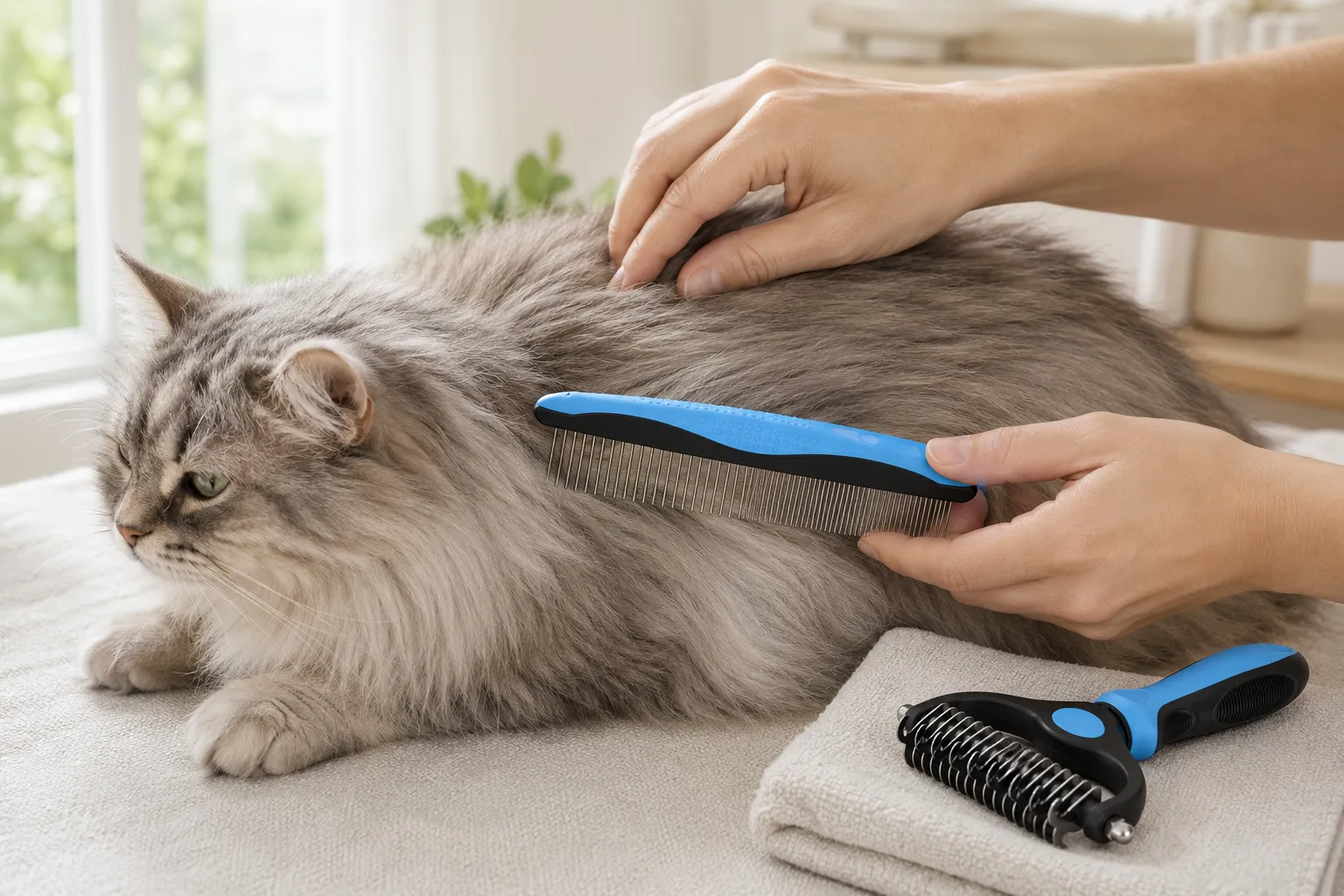
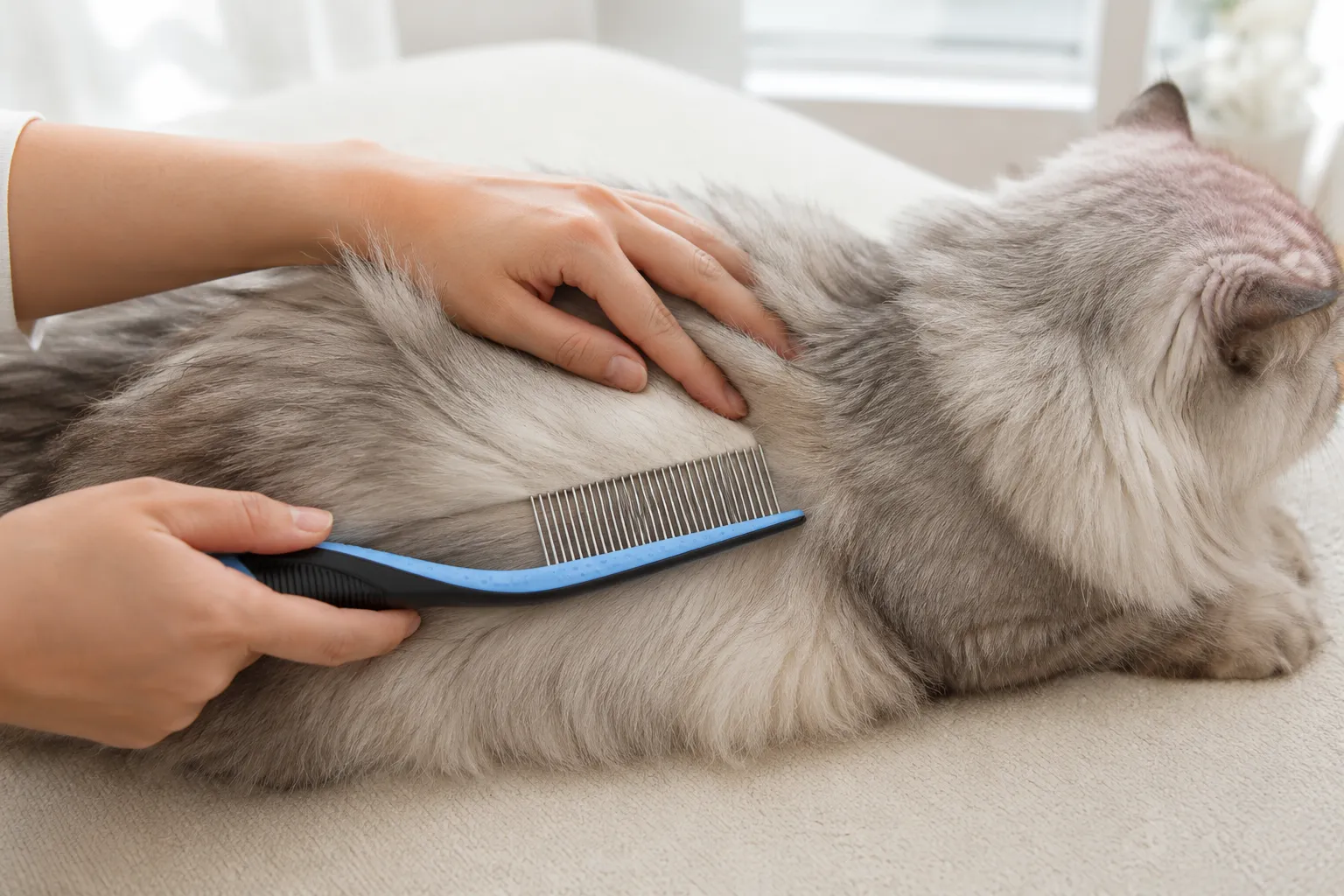
A metal comb can help check coat depth, but it should not be forced through resistance. Stop when the cat becomes tense or tries to leave.
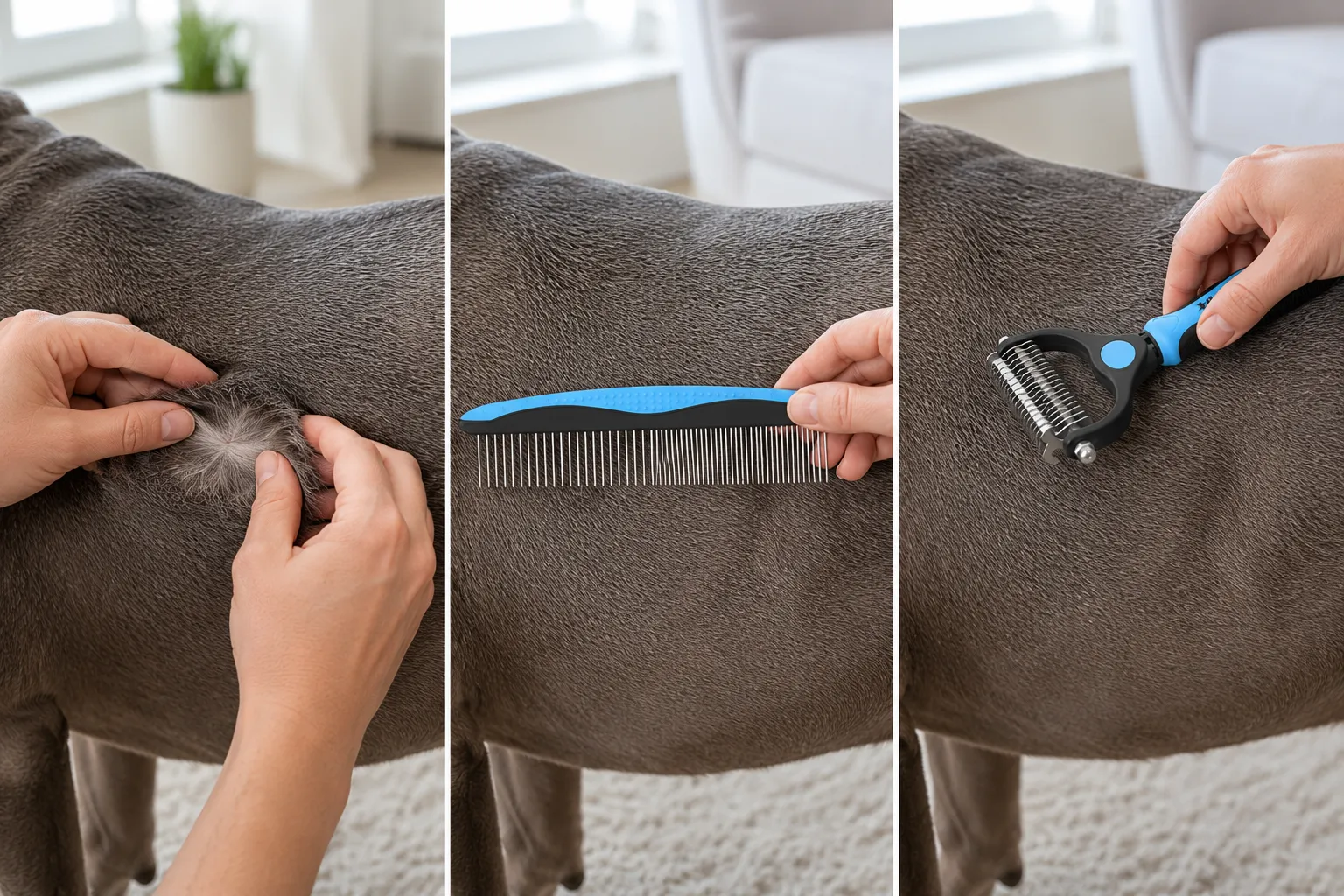
Why a Metal Rake May Be a Poor Fit
Undercoat-rake tooth length should match coat depth. On a shallow, smooth, or sparse coat, a deep rake may reach the skin too easily, collect little loose undercoat, or catch attached hairs.
These are conservative fit concerns, not measured Docrok results. A comfortable first pass does not prove long-term suitability.
Stop when the teeth appear to press directly against the skin, attached hair catches, redness appears, or the pet flinches or pulls away.
Conservative Coat-Fit Check and Alternatives
A limited fit check may reveal an obvious poor match, but it cannot prove repeated-use suitability.
Before testing, confirm normal skin, a real undercoat, loose hair, and one broad, healthy, tangle-free section. Avoid sensitive areas.
Use one slow, light pass with hair growth, then stop and inspect. Stop for direct skin contact, snagging, little loose undercoat, or tension.
When the rake appears too deep, use a bristle brush, rubber brush, grooming mitt, or another coat-specific tool. Seek professional guidance when coat structure is uncertain.
What the Docrok Listing Does and Does Not Confirm
The Amazon listing targets medium- and long-haired dogs and cats and double-coated pets. It does not clearly claim short-hair suitability or confirm the exact tooth length or required coat depth.
Its double-coat wording does not prove that every short double coat is a match, and marketplace “Hair Type: Thin” metadata is not reliable compatibility evidence.
You can view the Docrok grooming brush and metal comb combo to see the rake and comb configuration.
Final Takeaway
An undercoat rake is not automatically wrong for every short-haired pet, but it is not the obvious first choice for most smooth or sparse coats. Confirm a real undercoat and suitable tooth depth, and stop for skin contact, snagging, redness, or discomfort.
As an Amazon Associate I earn from qualifying purchases.
Sources
- VCA Animal Hospitals — Grooming and Coat Care for Your Dog
- VCA Animal Hospitals — Grooming and Coat Care for Your Cat
- American Kennel Club — What Is a Double Coat, and What Dog Breeds Are Double-Coated?
- American Kennel Club — How to Choose the Right Dog Brushes
- Blue Cross — How to Groom a Dog
- Blue Cross — How to Groom Your Cat
- Amazon — Docrok Pet Grooming Combo